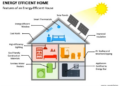
Kicking off with Find Home Improvement Contractors Offering Eco-Friendly Options, this opening paragraph is designed to captivate and engage the readers, providing an interesting overview of the importance of choosing eco-friendly options for home improvement, the key benefits of sustainable materials and practices, and how eco-friendly improvements can contribute to a healthier environment.
Researching Eco-Friendly Home Improvement Options
Choosing eco-friendly options for home improvement is crucial in today's world where environmental concerns are at the forefront. Opting for sustainable materials and practices not only benefits the planet but also offers advantages for homeowners in terms of cost savings, durability, and overall health.Key Benefits of Eco-Friendly Home Improvements
- Reduced energy consumption: Using energy-efficient appliances, windows, and insulation can lower utility bills and reduce carbon emissions.
- Improved indoor air quality: Choosing non-toxic materials and paints can enhance the air quality inside the home, promoting a healthier living environment.
- Long-term cost savings: While initial investments in eco-friendly options may be higher, the long-term savings on energy bills and maintenance costs make them a worthwhile investment.
- Increased property value: Eco-friendly features such as solar panels or water-saving fixtures can enhance the resale value of a home.
Contribution to a Healthier Environment
- Reduction of waste: By using recycled or sustainable materials, eco-friendly home improvements help minimize waste and lessen the burden on landfills.
- Conservation of resources: Sustainable practices like rainwater harvesting or xeriscaping can help conserve water resources and reduce the strain on ecosystems.
- Protection of biodiversity: Avoiding harmful chemicals and preserving natural habitats through eco-friendly landscaping can support biodiversity and wildlife conservation efforts.
Finding Home Improvement Contractors
Finding the right home improvement contractor is crucial for ensuring a successful and eco-friendly renovation project. Here are some tips on how to find reputable contractors and verify their eco-friendly practices.Checking for Certifications and Licenses
When searching for home improvement contractors, always check for certifications and licenses. These credentials indicate that the contractor has met certain standards and has the necessary qualifications to perform the work. Look for certifications related to eco-friendly practices, such as LEED certification for sustainable building practices.- Verify the contractor's license and make sure it is up to date and valid in your state.
- Check for certifications from reputable organizations that focus on eco-friendly construction and renovation.
- Ask the contractor for references from past eco-friendly projects to ensure they have experience in this area.
Verifying Eco-Friendly Practices
It's important to verify that the home improvement contractor you choose follows eco-friendly practices throughout the project. This not only helps reduce the environmental impact of the renovation but also ensures that your home is healthier and more energy-efficient.- Ask the contractor about their approach to sustainability and eco-friendly materials.
- Inquire about the types of materials and products they plan to use in the renovation, and whether they are environmentally friendly and energy-efficient.
- Discuss waste management practices and recycling efforts during the renovation process.
Evaluating Eco-Friendly Materials and Techniques
When it comes to home improvement projects, using eco-friendly materials and techniques can have a positive impact on the environment. Let's explore some popular options and discuss their cost-effectiveness, durability, and maintenance requirements.
Popular Eco-Friendly Materials Used in Home Improvement
- Bamboo: Known for its sustainability and rapid growth, bamboo is a popular choice for flooring, furniture, and cabinetry.
- Recycled Glass: Used in countertops and tiles, recycled glass is durable and adds a unique touch to the design.
- Cork: Harvested from the bark of cork oak trees, cork is a renewable material used for flooring, insulation, and wall coverings.
Cost-Effectiveness of Eco-Friendly Materials vs. Traditional Ones
While eco-friendly materials may have a higher upfront cost compared to traditional ones, they often prove to be cost-effective in the long run. Energy-efficient options can lead to savings on utility bills, and durable materials may require less frequent replacement, reducing maintenance costs over time.
Durability and Maintenance Requirements of Eco-Friendly Options
- Many eco-friendly materials are known for their durability, such as bamboo and recycled metal, which can withstand wear and tear over the years.
- In terms of maintenance, eco-friendly options like low VOC paints and finishes require less upkeep and are better for indoor air quality.
- Proper care and maintenance can extend the lifespan of eco-friendly materials, ensuring they remain a sustainable choice for your home.
Designing Sustainable Home Improvement Projects
When it comes to designing sustainable home improvement projects, there are various ways to incorporate eco-friendly elements that not only benefit the environment but also enhance the overall living experience. By integrating sustainable design trends and balancing aesthetics with sustainability, homeowners can create spaces that are both beautiful and environmentally responsible.
Incorporating Eco-Friendly Elements
One way to design sustainable home improvement projects is by using renewable materials such as bamboo flooring, reclaimed wood, or recycled glass countertops. These materials not only reduce the environmental impact but also add a unique and stylish touch to the space.
- Installing energy-efficient appliances and fixtures can also contribute to a sustainable design. Opting for low-flow toilets, LED lighting, and smart thermostats can help reduce energy consumption and lower utility bills.
- Utilizing natural light through strategically placed windows and skylights can not only brighten up the space but also reduce the need for artificial lighting, further saving energy.
- Incorporating indoor plants not only adds a pop of greenery to the space but also improves indoor air quality by filtering out pollutants.
Sustainable Design Trends
The home improvement industry is witnessing a rise in sustainable design trends that focus on creating eco-friendly and energy-efficient spaces. Some popular trends include:
- Green roofs and living walls that improve insulation, reduce stormwater runoff, and provide habitat for wildlife.
- Passive solar design that maximizes natural light and heat to reduce the reliance on artificial lighting and heating systems.
- Water-saving fixtures like low-flow faucets and showerheads that help conserve water without compromising performance.
Balance Between Aesthetics and Sustainability
When planning renovations, it's essential to strike a balance between aesthetics and sustainability. By choosing eco-friendly materials and design elements that align with your style preferences, you can create a space that is both visually appealing and environmentally conscious.
- Opt for durable materials that have a low environmental impact and require minimal maintenance to ensure longevity and sustainability.
- Consider the lifecycle of materials and choose products that are recyclable or biodegradable to reduce waste and promote a circular economy.
- Work with experienced architects and designers who specialize in sustainable design to help you achieve your vision while staying true to eco-friendly principles.
Last Recap
In conclusion, Find Home Improvement Contractors Offering Eco-Friendly Options is a crucial step towards creating a more sustainable and environmentally friendly living space. By incorporating eco-friendly elements into home improvement projects, we can not only enhance our homes but also contribute to a greener future.
Common Queries
How can I find reputable home improvement contractors?
To find reputable contractors, ask for recommendations from friends or family, check online reviews, and ensure they have proper certifications and licenses.
What are some popular eco-friendly materials used in home improvement?
Popular eco-friendly materials include bamboo flooring, recycled glass countertops, and reclaimed wood.
Are eco-friendly materials more cost-effective than traditional ones?
In the long run, eco-friendly materials can be more cost-effective due to their durability and energy-saving properties.