Embark on a journey to discover innovative ways to enhance energy efficiency in homes situated in colder regions. Explore the significance of energy efficiency in Northern homes and learn how simple upgrades can result in substantial savings on heating costs. Let's delve into the world of Northern Home Improvement Ideas for Energy Efficiency.
Northern Home Improvement Ideas for Energy Efficiency
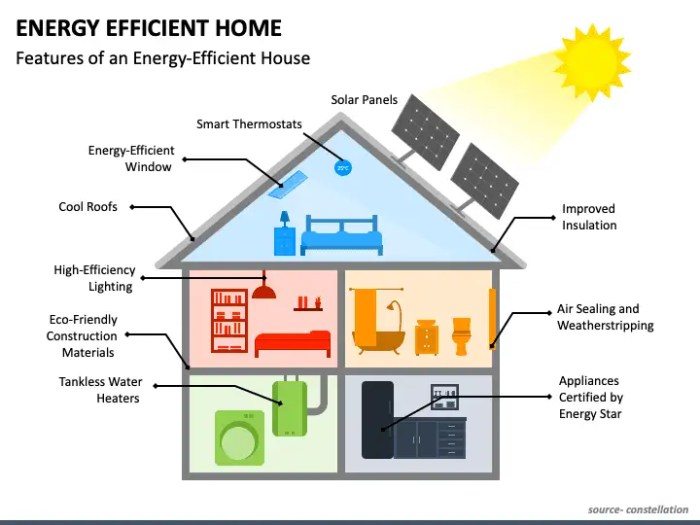
When it comes to homes in colder climates, improving energy efficiency is crucial to reduce heating costs and minimize energy waste. By implementing innovative upgrades, homeowners can create a more comfortable and sustainable living environment while also saving money in the long run.
Identifying Energy Loss Areas in Northern Homes
Northern homes often face challenges when it comes to energy loss due to harsh weather conditions. Here are some common areas where energy is lost and tips on how to address them:
- Windows and Doors: Old or poorly sealed windows and doors can lead to significant heat loss. Consider upgrading to energy-efficient models or adding weather stripping to improve insulation.
- Roof and Attic: Inadequate insulation in the roof and attic can result in heat escaping from the top of the house. Adding insulation or sealing air leaks can help retain heat and improve energy efficiency.
- Basement and Crawlspaces: Uninsulated basements and crawlspaces can also contribute to energy loss. Insulating these areas and sealing any gaps can prevent heat from escaping and reduce energy consumption.
- HVAC System: An inefficient heating system can lead to high energy bills. Regular maintenance, upgrading to a high-efficiency furnace, or installing a programmable thermostat can help optimize energy usage.
Insulation Upgrades
Proper insulation is crucial for energy efficiency in Northern homes, as it helps maintain a consistent indoor temperature and reduces the workload on heating systems. This results in lower energy bills and a more comfortable living environment.Types of Insulation Suitable for Colder Climates
In colder climates, it's essential to choose insulation materials with high R-values to effectively resist heat flow. Common types of insulation suitable for Northern homes include fiberglass batts, cellulose, spray foam, and rigid foam boards. Each type has its own advantages and is suitable for different areas of the house.- Fiberglass Batts: These are easy to install and are commonly used in attics and walls.
- Cellulose: Made from recycled paper, cellulose insulation is environmentally friendly and effective for attics and walls.
- Spray Foam: Provides a tight seal and is ideal for sealing gaps and cracks in attics and basements.
- Rigid Foam Boards: These are moisture-resistant and can be used in basements and crawl spaces.
Tips for Insulating Attics, Walls, and Basements Effectively
Proper insulation installation is key to maximizing energy efficiency in your home. Here are some tips for insulating different areas effectively:Ensure adequate ventilation to prevent moisture buildup when installing insulation in attics and basements.
- Attics: Seal air leaks, use proper ventilation, and insulate the attic floor to prevent heat loss.
- Walls: Consider adding insulation to exterior walls or using blown-in insulation for existing walls.
- Basements: Insulate basement walls and floors to prevent heat loss and moisture buildup.
Comparison Between Traditional Insulation and Energy-Efficient Options
While traditional insulation materials like fiberglass and cellulose are cost-effective, newer energy-efficient options like spray foam and rigid foam boards offer better thermal performance and air sealing properties. These newer options may have a higher upfront cost but can result in long-term energy savings and improved comfort in your home.Window and Door Improvements
Windows and doors play a crucial role in energy loss in Northern homes. Poorly insulated or drafty windows and doors can lead to significant heat loss, resulting in higher energy bills and reduced comfort levels
Benefits of Energy-Efficient Windows and Doors
- Improved insulation: Energy-efficient windows and doors help maintain a consistent indoor temperature by minimizing heat transfer.
- Lower energy costs: By reducing heat loss, energy-efficient windows and doors can lead to lower heating and cooling costs throughout the year.
- Enhanced comfort: Properly insulated windows and doors create a more comfortable living environment by eliminating drafts and cold spots.
Design Ideas for Energy-Efficient Windows and Doors
- Double or triple-pane windows: These windows have multiple layers of glass with insulating gas in between, providing better thermal efficiency.
- Low-E coatings: Low-emissivity coatings on windows help reflect heat back into the room, reducing heat loss in winter and heat gain in summer.
- Energy-efficient doors: Opt for doors with insulated cores and weather-stripping to prevent air leakage.
Tips for Sealing Gaps around Windows and Doors
- Apply weather-stripping: Use weather-stripping around windows and doors to seal gaps and prevent air leakage.
- Caulk any cracks: Seal any visible cracks or gaps with caulk to improve insulation and prevent heat loss.
- Install door sweeps: Door sweeps at the bottom of exterior doors can help block drafts and keep cold air out.
Heating System Enhancements
Upgrading heating systems in Northern homes is crucial for improving energy efficiency and reducing overall heating costs. Modern, energy-efficient heating systems offer numerous advantages over older models, including better performance, reduced energy consumption, and lower environmental impact.
Advantages of Modern Heating Systems
- Increased energy efficiency: Modern heating systems are designed to operate more efficiently, resulting in lower energy bills and reduced carbon footprint.
- Improved performance: Newer systems provide more consistent heating throughout the home, ensuring optimal comfort levels in every room.
- Enhanced control options: Many modern systems come with programmable thermostats and smart technology, allowing homeowners to customize heating schedules and settings for maximum efficiency.
- Environmentally friendly: Energy-efficient heating systems consume less fuel and produce fewer greenhouse gas emissions, contributing to a greener home and a healthier planet.
Choosing the Right Heating System
When selecting a heating system for a Northern home, consider factors such as the size of the space, insulation levels, budget, and fuel availability. Common options include:
| Heating System Type | Best Suited For |
|---|---|
| Forced Air Furnaces | Homes with existing ductwork and centralized heating needs. |
| Boilers | Properties without ductwork, providing efficient radiant heat. |
| Heat Pumps | Energy-efficient option for moderate climates, offering both heating and cooling capabilities. |
Maintenance Tips for Optimal Performance
- Schedule regular professional inspections and tune-ups to ensure the heating system is operating efficiently.
- Change air filters as recommended by the manufacturer to maintain airflow and prevent system strain.
- Keep vents and radiators clean and unobstructed to promote proper heat distribution throughout the home.
- Monitor thermostat settings and adjust temperature settings based on occupancy and seasonal changes to optimize energy usage.
Closing Summary
In conclusion, Northern Home Improvement Ideas for Energy Efficiency offer a roadmap to a more sustainable and cost-effective living in cold climates. By focusing on insulation upgrades, window and door improvements, and heating system enhancements, homeowners can create a cozy and energy-efficient haven. Start implementing these ideas today to transform your Northern home into a model of efficiency and comfort.
Detailed FAQs
How can I effectively insulate my attic for energy efficiency?
Properly insulating your attic involves using materials like fiberglass or cellulose insulation and ensuring there are no gaps or leaks that can cause heat loss.
What are the benefits of upgrading to energy-efficient windows and doors?
Energy-efficient windows and doors help in better insulation, reduce energy bills, and create a more comfortable indoor environment by minimizing heat loss.
Why is regular maintenance important for heating systems in Northern homes?
Regular maintenance ensures that your heating system operates efficiently, reducing energy consumption and prolonging its lifespan.